4.9 / 5 Based on Reviews
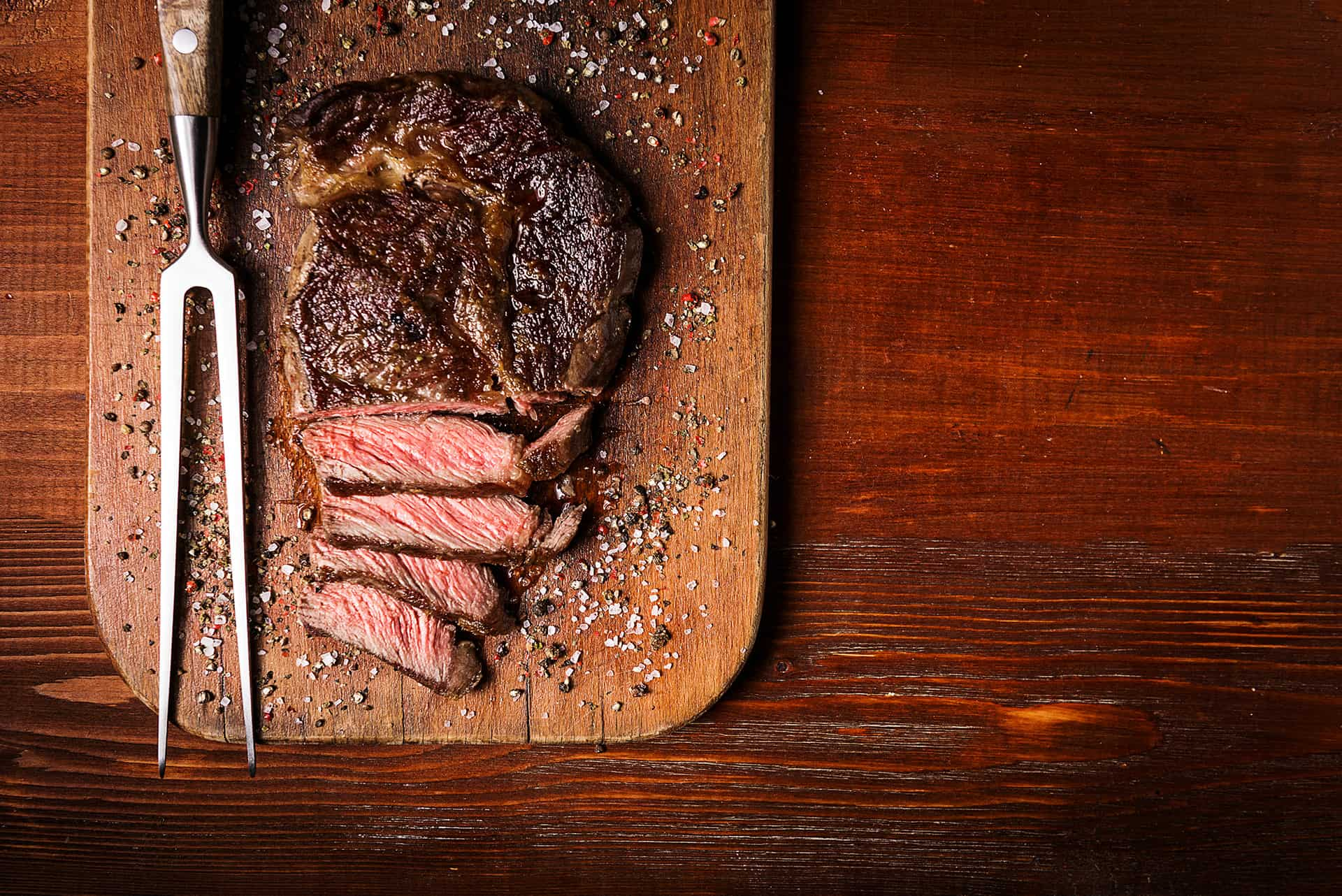
The Art of Cooking a Ribeye: Simplicity, Fire, and a Little Bit of God
A perfectly cooked ribeye isn’t just food—it’s an experience. It’s primal. It’s indulgence without apology. It’s the reason cavemen started cooking with fire and why steakhouses are dimly lit, expensive, and filled with men who suddenly feel important when there’s a slab of beef in front of them.
But the truth? Most people ruin steak.
They panic. They prod and flip it too much, crank the heat too high, and sear it like they’re being timed on some absurd cooking show. The result? A charred crust with a center that’s as raw as a crime scene or, even worse, a sad, grey, overcooked travesty.
This isn’t complicated. A great ribeye doesn’t need fancy sauces, rubs, or a sous-vide setup. It doesn’t need steakhouse prices or a guy in a white coat telling you he dry-aged it for 400 days in some Himalayan salt cave.
It needs salt, fire, patience, and respect.
The Reverse Sear: The Only Way to Cook a Ribeye
The reverse sear method is the holy grail of steak cooking. You take your time, warming the steak slowly until it’s just shy of perfection, then you sear the hell out of it at the end. It’s the difference between a steak cooked with intention and one cooked in blind panic.
And the beauty? You don’t need a grill. You don’t need a $300 steak knife. You just need a cast iron skillet, an oven, and a little self-control.
Why Ribeye?
Because it’s the king.
Forget filet mignon—the soft, flavorless cousin of the real deal. And forget sirloin, which always feels like it’s got something to prove. A ribeye is the steak. It has fat, marbling, texture. That fat melts, bastes the meat from the inside, and delivers something so perfect, so undeniably good, that you’ll start wondering why you ever wasted your time ordering steak at a restaurant.
But—and this is important—you have to let it be steak.
No sugary marinades. No fancy herb crusts. Just beef, salt, heat, and time.
How to Cook the Perfect Ribeye (Reverse Sear on Cast Iron)
Ingredients:
- 1 bone-in or boneless ribeye steak (1.5 to 2 inches thick)
- Kosher salt (generous amount)
- Fresh cracked black pepper
- 1 tbsp neutral oil (like avocado or canola)
- 2 tbsp butter
- 2 cloves garlic, smashed
- Fresh thyme or rosemary (optional, but worth it)
Step 1: Let It Breathe
Great steak starts before it hits the heat.
- Take the ribeye out of the fridge at least 45 minutes before cooking. Cold steak cooks unevenly, and you’re not an amateur.
- Pat it completely dry with paper towels. Moisture is the enemy of a good sear.
- Season aggressively with kosher salt and fresh black pepper on all sides. No marinades, no nonsense.
Step 2: Slow Roast (This is the Reverse Sear Part)
- Preheat your oven to 225°F (low and slow, baby).
- Place the steak on a wire rack over a baking sheet. This ensures even cooking and air circulation.
- Insert a meat thermometer into the thickest part of the steak. This is non-negotiable—guessing will fail you.
- Roast until the internal temp hits 120°F for medium-rare (adjust to 10 degrees below your final desired temp).
- Timing? About 45-60 minutes, but go by temperature, not the clock.
Step 3: The Sear (Where the Magic Happens)
- Heat a cast iron skillet over high heat. No nonstick. No stainless steel. Just cast iron.
- When the pan just starts smoking, add 1 tbsp oil (neutral oil, not olive oil—it’ll burn).
- Sear the steak for 45 seconds per side, flipping only once. Spoon rendered fat over the steak as it sears.
- Add butter, garlic, and herbs in the last 30 seconds. Tilt the pan and baste like you’re painting a masterpiece.
Step 4: Rest and Enjoy (Don’t Skip This)
- Remove from the pan and let it rest for 10 minutes. Resting lets the juices settle, so they don’t run out when you cut into it.
- Slice against the grain and serve. If you did this right, you won’t need sauce, you won’t need steakhouse theatrics—you’ll just need a knife, a plate, and a little bit of quiet to appreciate what you’ve just made.
Final Thoughts: Why This is the Best Steak You’ll Ever Eat
Cooking a ribeye this way—patiently, deliberately—makes every bite taste like the best steakhouse you’ve ever been to, minus the overpriced wine list and the guy in the next booth yelling into his phone.
This is steak, done right.
This is respecting the meat, respecting the fire, and taking your time.
And after you taste it, after you take that first bite and realize this is the best steak you’ve ever had, you’ll understand something:
Some things in life don’t need shortcuts. They just need to be done right.
 The Delicate Dish
Leave a comment