4.9 / 5 Based on Reviews
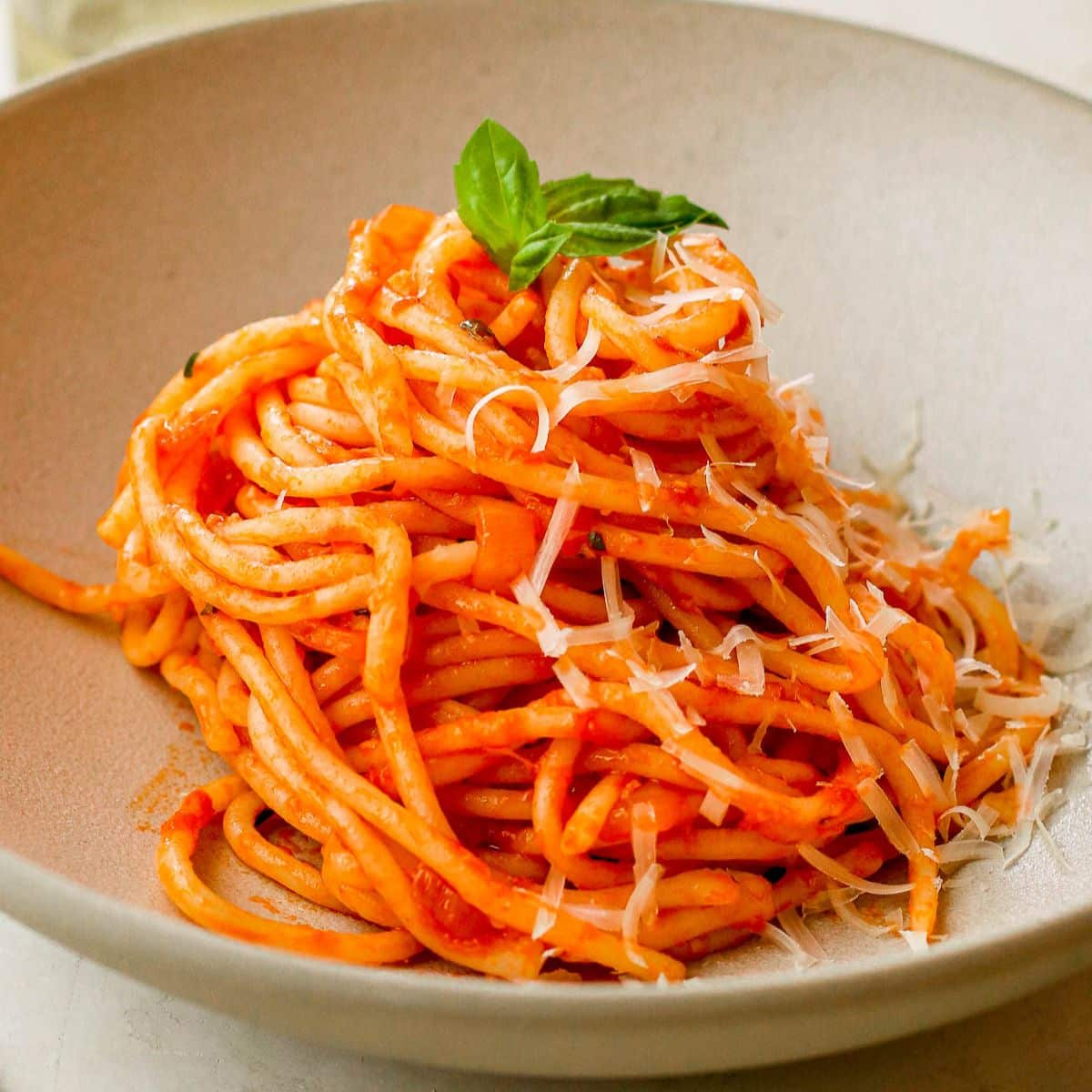
The Bear’s Spaghetti: A Dish That Feeds the Soul (And Breaks Your Heart)
There’s something about a plate of spaghetti that makes you feel like you’re home—even if you’ve never really had a home. It’s the great equalizer, the meal of kings and broke college kids, the thing you make when you’re desperate, when you’re celebrating, when you just need something simple and familiar.
In The Bear, that plate of spaghetti—Carmy’s family-style dish, ladled out in silence, no frills, no fanfare—is more than food. It’s history. It’s loss. It’s love and grief on a plate. It’s the kind of meal that doesn’t just fill you up; it stops time. It reminds you where you came from, even if where you came from was a mess of cigarette smoke, shouting matches, and a restaurant that was always just one bad week from going under.
It’s not fancy. No truffle oil, no microgreens, no $40 a plate nonsense. It’s just spaghetti. Tomatoes, garlic, olive oil, pasta water—maybe some sausage if you’re lucky. But if you’ve ever eaten a dish like this, at a too-small table in a too-loud kitchen, you know it’s not just about the ingredients. It’s about who’s in the room.
The Beauty of the Back-of-House Meal
If you’ve worked in a restaurant, you know the scene well. The pre-shift meal. Family meal. Whatever you call it, it’s a break in the madness, a moment of calm before the storm. It’s never complicated, because no one has time for complicated when you’ve got prep lists a mile long and a dinner rush that’s about to slap you in the face.
It’s usually pasta. Because pasta feeds a lot of people, fast. Because pasta tastes good even when you’re exhausted and angry and standing in a corner with a paper towel wrapped around a fresh burn on your wrist.
Carmy’s spaghetti in The Bear feels like that meal. The kind of dish that someone started making years ago and never stopped. It’s muscle memory. A pot on the stove. A taste with the spoon. A handful of salt thrown in like a reflex. It’s not precise, because it doesn’t need to be. It’s just right.
It’s also deeply personal. Because food, no matter what anyone says, is always about people. This is the kind of meal you cook when words don’t work anymore. When there’s nothing left to say, but you still need to take care of someone.
A Recipe Passed Down Through Calloused Hands
The best meals—the ones that stick with you, haunt you, make you crave them years after you last tasted them—aren’t written down. They’re taught. They’re shown. They come from watching someone cook a thousand times before you ever dare to step in yourself.
A grandmother. A mother. An older brother.
Maybe they don’t even know they’re teaching you. Maybe they don’t talk much while they cook, but you remember how they taste the sauce straight from the wooden spoon. You remember how they know, just by looking, when the pasta is done.
And one day, you find yourself making that same dish. Maybe for your family. Maybe for a table of exhausted line cooks who’ve been in the weeds all night and need something warm before they go back to the trenches. Maybe for yourself, alone in your kitchen, the smell of garlic and tomatoes pulling ghosts out of the walls.
That’s what Carmy’s spaghetti is. A dish passed down, not written down. A dish with scars.
Why This Spaghetti Feels Like a Hug and a Gut Punch
Some meals make you feel safe. Others remind you of everything you’ve lost. The best ones do both at the same time.
Spaghetti is comfort food, but in The Bear, it’s not just about comfort. It’s about absence. About how food becomes a stand-in for the people who should still be there, but aren’t.
That’s what makes this kind of cooking dangerous. Because when you cook like this—when you really cook, with your hands and your memories and your heart—you can’t hide. You can’t pretend things are fine when they’re not. The sauce doesn’t lie.
Maybe that’s why Carmy doesn’t talk much while he’s making it.
Because this isn’t about showing off. It’s not about proving anything. It’s just about feeding the people who need to be fed.
And sometimes, that’s the only thing that matters.
What Happens When You Make It Yourself
If you want to understand this dish, you can’t just eat it. You have to make it.
You have to put a big pot on the stove and heat the oil until it shimmers. You have to slice the garlic thin, let it dance in the pan until it smells like home. You have to crush the tomatoes with your hands, not a blender—because a blender makes it too smooth, too perfect. This sauce should have texture. It should have life.
You have to salt the water like the ocean. You have to taste everything as you go.
And when you finally sit down, when you twirl that first bite onto your fork, you’ll understand.
Because this isn’t just about spaghetti. It never was.
It’s about sitting at the table with people who’ve seen you at your worst. It’s about eating something that tastes like your childhood, even if your childhood was a mess. It’s about knowing that sometimes, the only thing you can do for someone is feed them.
And if you do it right, if you really do it right, you won’t need to say anything at all.
The Recipe From “The Bear”
Ingredients:
- 1 pound (450g) spaghetti
- ½ cup (120ml) extra virgin olive oil
- 10 whole garlic cloves, peeled
- A generous handful of fresh basil (including stems)
- ½ teaspoon red pepper flakes
- 2 tablespoons unsalted butter
- 1 large yellow onion, halved
- Two 28-ounce (800g) cans of San Marzano whole peeled tomatoes
- Kosher salt and freshly ground black pepper, to taste
- Freshly grated Parmesan cheese, for serving (optional)
Instructions:
- Prepare the Basil-Garlic Infused Oil:
- In a small saucepan, combine the olive oil, peeled whole garlic cloves, red pepper flakes, and the handful of fresh basil (including stems).
- Place the saucepan over medium-low heat. As the mixture heats, the basil will begin to wilt, and the garlic will infuse the oil with its aroma. Allow it to simmer gently for about 2-3 minutes, ensuring the garlic doesn’t brown.
- Once the basil has wilted and the oil is fragrant, remove the saucepan from heat and set it aside to cool, allowing the flavors to meld.
- Prepare the Tomato Sauce:
- In a large, heavy-bottomed pot or Dutch oven, melt the unsalted butter over medium heat.
- Add the halved onion, cut side down, into the melted butter. Allow it to sear for approximately 3-4 minutes until the cut sides develop a golden-brown color. This step imparts a subtle sweetness to the sauce.
- Carefully pour in the San Marzano tomatoes, including their juices. Be cautious of any splattering when the tomatoes meet the hot butter.
- Using a wooden spoon or potato masher, gently break down the tomatoes to your desired consistency.
- Season the mixture with a pinch of kosher salt and freshly ground black pepper.
- Bring the sauce to a gentle boil, then reduce the heat to low. Allow it to simmer uncovered for about 20-25 minutes, stirring occasionally. This simmering process helps thicken the sauce and meld the flavors.
- Combine the Infused Oil with the Tomato Sauce:
- Once the basil-garlic infused oil has cooled, you have the option to blend it for a smoother texture or leave it as is for a more rustic feel. Blending will emulsify the garlic and basil into the oil, creating a cohesive mixture.
- Pour the infused oil into the simmering tomato sauce, stirring well to incorporate.
- Continue to let the sauce simmer for an additional 10 minutes, allowing the infused flavors to meld seamlessly with the tomatoes.
- Cook the Spaghetti:
- While the sauce is in its final simmer, bring a large pot of salted water to a rolling boil.
- Add the spaghetti and cook according to the package instructions until it reaches al dente texture. This typically takes about 8-10 minutes.
- Before draining, reserve about 1 cup (240ml) of the pasta cooking water. This starchy water can be used to adjust the sauce’s consistency later.
- Drain the spaghetti and set aside.
- Combine Pasta and Sauce:
- Remove the halved onion from the tomato sauce and discard it. The onion has imparted its flavor and is no longer needed.
- If the sauce appears too thick, add a small amount of the reserved pasta water, a little at a time, stirring until the desired consistency is achieved.
- Add the cooked spaghetti to the pot of tomato sauce.
- Over low heat, toss the spaghetti gently to ensure each strand is well-coated with the sauce. This should take about 1-2 minutes.
- Serve:
- Plate the spaghetti, ensuring a generous coating of the rich tomato sauce.
- Garnish with freshly grated Parmesan cheese, if desired, and perhaps a few fresh basil leaves for a burst of color and flavor.
- Serve immediately, pairing with crusty bread or a simple side salad to complete the meal.
Additional Tips:
- Ingredient Quality: The simplicity of this dish means that the quality of each ingredient shines through. Opt for authentic San Marzano tomatoes, fresh basil, and good-quality olive oil to achieve the best flavor.
- Infused Oil: Blending the infused oil creates a smoother sauce, while leaving it unblended offers a rustic texture with visible bits of garlic and basil. Choose based on your texture preference.
- Pasta Water: The reserved pasta water contains starch that helps the sauce adhere to the pasta and can be used to adjust the sauce’s thickness.
- Serving Size: This recipe yields approximately 4-6 servings, making it ideal for a family meal or for entertaining guests.
 The Delicate Dish
Leave a comment